
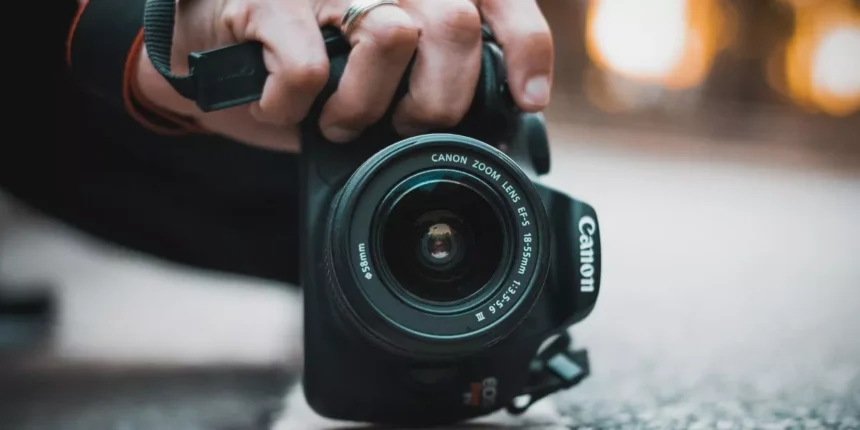
If you’re picking your first camera in 2025, you’ll want something easy to use that still lets you grow: think mirrorless bodies with good autofocus, solid low‑light performance, and a lens ecosystem you can expand. I’ll show practical options from compact to interchangeable‑lens systems, plus what lenses and accessories matter most—so you can choose a camera you’ll actually enjoy carrying.
Choosing the Right Camera Type for Your Needs
When you’re picking a camera, start by matching the type to how you plan to shoot: smartphones and compact cameras are great for casual snapshots and travel, mirrorless and DSLSs fit hobbyists who want faster performance and interchangeable lenses, and action cameras or bridge models serve niche needs like rugged adventure or long zooms.
Decide whether portability, image quality, or control matters most. If you want something pocketable that still takes decent photos, pick a high-end smartphone or compact.
If you’ll learn exposure and swap lenses, choose mirrorless or DSLR systems for growth and accessory options.
If you record extreme sports or need long reach without bulk, consider action or bridge cameras.
Match features to typical scenarios and budget.
Best Entry-Level Mirrorless and DSLR Options
If you’re ready to move beyond pocketable cameras and want more control, interchangeable lenses, and room to grow, mirrorless and DSLR bodies are the logical next step.
You’ll find beginner models that balance ease of use with upgrade paths: consider compact mirrorless like the Sony a6100 or Canon EOS R100 for lightweight handling and strong autofocus, or the Fujifilm X-T30 II if you want excellent color and tactile controls.
On the DSLR side, the Nikon D3500 or Canon EOS Rebel T8 offer durable batteries, optical viewfinders, and plentiful lens choices.
Prioritize sensor size, autofocus performance, and lens ecosystem over bells and whistles. Rent or try in-store to confirm ergonomics before buying to ensure it fits your shooting style.
User-Friendly Compact Cameras and Advanced Smartphones
Step up from pocket point-and-shoots without getting overwhelmed: user-friendly compact cameras and modern smartphones give you great image quality, simple controls, and features that help you learn fast.
You’ll appreciate compacts with larger sensors, easy menus, and a dedicated zoom or prime lens so you can focus on composition rather than settings. Many offer useful guides, automatic scene modes, and tactile dials that teach exposure basics without jargon.
Meanwhile, advanced smartphones pack computational photography, RAW support, and versatile lenses that make sharing and editing instant. Choose a compact when you want optical zoom and a traditional camera feel; pick a smartphone for convenience, connectivity, and software-driven results.
Both options make learning rewarding and let you grow into more advanced gear later.
What to Buy First: Lenses, Accessories, and Learning Resources
Because your first gear choices shape how quickly you learn, prioritize a small set of high-impact purchases: one versatile lens (a 24–70mm equivalent zoom or a 35/50mm prime), a sturdy strap, a basic tripod, extra batteries and a fast memory card, plus a protective bag.
Next add one specialty lens later—macro or telephoto—only when your interests demand it. Get a simple reflector and a compact flash or LED for controlled light.
Invest in a clear, structured learning path: one beginner course, a concise manual, and a habit of daily practice with specific goals. Join a local photo group or online forum for feedback. Keep gear minimal, learn fundamentals first, and buy new lenses only when they solve real creative problems.
Conclusion
By 2025, pick a camera that makes you want to shoot—lightweight mirrorless or a versatile compact-sensor model with a 24–70mm-equivalent kit lens are great starters. Prioritize sensor size, autofocus, battery life, and comfort; opt for brands with affordable lenses so you can grow. If you want instant sharing, a flagship smartphone works too. Buy a fast prime or budget zoom, a spare battery, simple editing software, and take online courses or practice daily.