

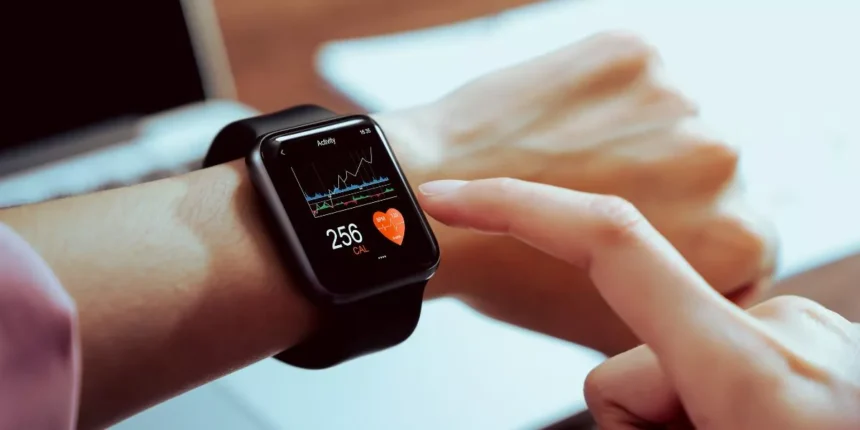
If you want a smartwatch that actually helps you manage heart health, sleep, and fitness, you’ll want to pick features, not just a brand name. Look for reliable continuous heart-rate, high-quality SpO2 and ECG options, accurate GPS, and easy data export for clinicians. Battery life and motion-artifact reduction matter too — and which trade-offs you accept will depend on whether you need clinical-grade alerts or day-to-day wellness insights.
How Smartwatches Measure Heart Health and What to Look For
When you wear a smartwatch, its sensors constantly monitor electrical and optical signals from your wrist to estimate heart rate, rhythm, and blood-oxygen levels, so you get real-time feedback and alerts without needing a clinic visit.
You’ll rely on PPG for continuous pulse tracking and ECG for episodic rhythm checks; PPG measures blood volume changes with green or infrared LEDs, while ECG records electrical impulses when you touch the case or crown.
Look for validated sensors, FDA clearance or equivalent, and robust algorithms that reduce motion artifacts.
Check battery life during continuous monitoring, how often the watch samples data, and whether it stores raw readings for your clinician.
Prioritize devices with clear notifications, easy exporting, and reliable vendor updates.
Sleep, SpO2, and Stress: Comparing Noninvasive Biometrics
Beyond heart rate and rhythm, smartwatches now track sleep stages, blood-oxygen saturation (SpO2), and stress indicators using noninvasive sensors and algorithms, so you can see how nightly rest, oxygen levels, and autonomic signals interact.
You’ll get sleep staging from accelerometers and heart-rate variability (HRV) patterns; look for devices that validate stages against polysomnography for better accuracy.
SpO2 uses red/infrared photoplethysmography — useful for spotting nocturnal desaturation but not a medical diagnosis; consider sensor placement, sampling frequency, and firmware updates.
Stress estimates combine HRV, skin conductance, and contextual data; they’re best for trends, not acute diagnoses.
When choosing, prioritize transparent algorithms, frequent sampling, and clear data export so you can review raw metrics or share them with clinicians.
Exercise Metrics, GPS Accuracy, and Coaching Features
If you want reliable workout data, pick a smartwatch that measures cadence, stride length, power (for cycling and running), and metabolic estimates with high sampling rates and validated algorithms.
You’ll also want accurate GPS that locks quickly, maintains signal in tree cover and urban canyons, and offers multi-band GNSS when available.
Look for watches that let you export raw GPS and sensor files so you can verify routes and compare devices.
Coaching features should include adaptive training plans, real-time interval guidance, form cues (cadence/power targets), and recovery recommendations based on recent load.
Seamless syncing with trusted platforms, clear in-workout screens, and customizable alerts make workouts actionable.
Prioritize firmware updates and community-tested performance for long-term reliability.
Choosing Between Medical-Grade Accuracy and Everyday Wellness
Although you can get clinically useful readings from some wearables, you shouldn’t assume every smartwatch matches medical-grade accuracy; decide whether you need diagnostic-level precision or consistent, actionable trends for daily wellness.
If you have a health condition that requires exact measurements, rely on devices cleared by regulators and discuss readings with your clinician.
For general fitness, prioritize wearables that deliver reliable trends, long battery life, and clear data visualization so you can spot deviations and adjust habits.
Remember sensors vary by activity, skin tone, and placement, so consistency in how you wear the watch improves usefulness.
Also factor in integration with health apps, data export for providers, and alerts for abnormal readings — these features make everyday tracking truly valuable.
Conclusion
When picking a smartwatch for health tracking, prioritize what you want to monitor and how you’ll use the data. If you need clinical-grade alerts and validated metrics, pick FDA-cleared, medically focused models; if you want robust fitness, continuous HR/HRV trends, and accurate GPS for training, pick multisensor sport watches with frequent firmware updates. Make sure the device samples at high rates, minimizes motion artifacts, offers clear algorithms and easy data export so clinicians can act on trustworthy insights.